
The Harmful Effects of Heroin Drugs: Understanding the Serious Health Risks
Heroin
is one of the most dangerous and addictive illegal drugs affecting individuals and communities worldwide. Derived from morphine, heroin is an opioid that directly impacts the brain and body, often leading to severe physical, emotional, and social consequences. While some users may initially seek temporary feelings of euphoria or pain relief, the long-term effects can be devastating and life-threatening.
In this article, we’ll explore the harmful effects of heroin drugs and why awareness, prevention, and treatment are critical.
What Is Heroin?
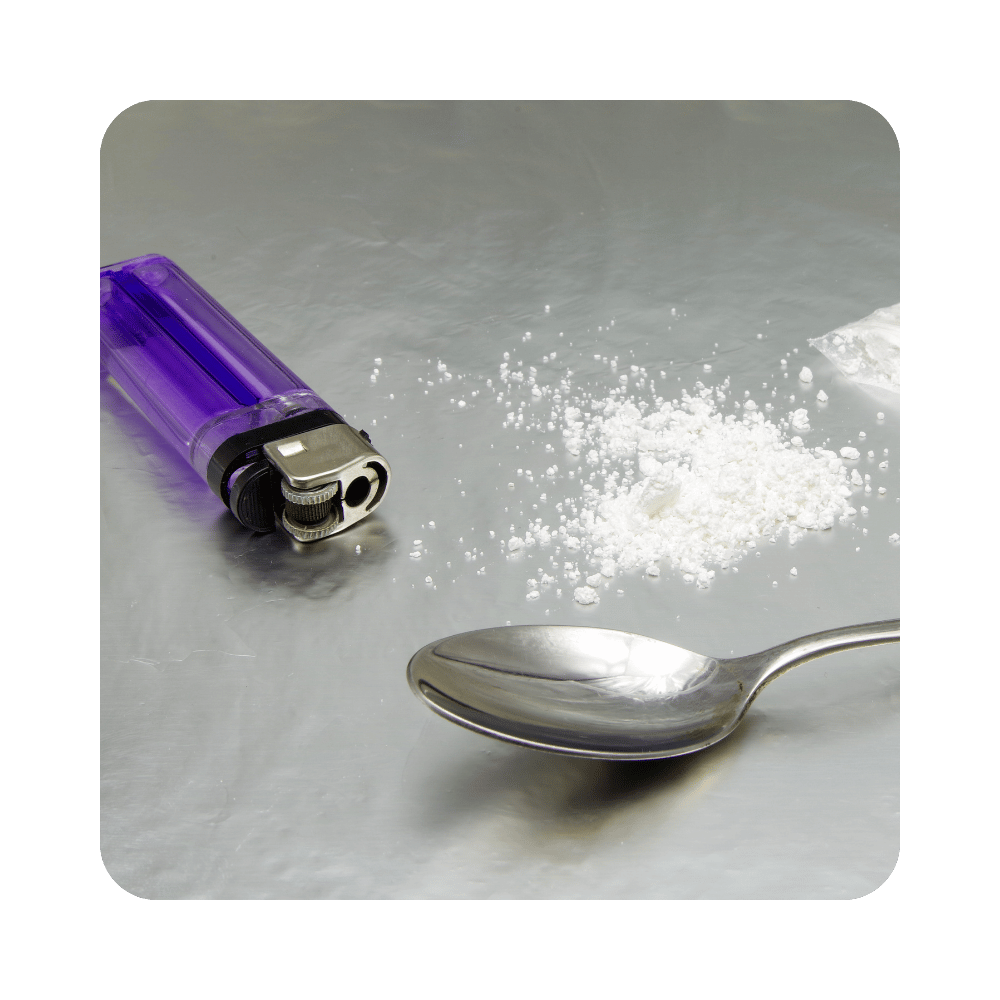
Heroin is an opioid drug made from morphine, a natural substance extracted from the seed pod of opium poppy plants. It can appear as a white or brown powder or as a black sticky substance known as “black tar heroin.” People may inject, smoke, or snort heroin, all of which can rapidly lead to addiction.
The drug affects the brain’s reward system, creating intense cravings and dependence. Over time, users often need larger doses to achieve the same effects, increasing the risk of overdose and long-term damage.
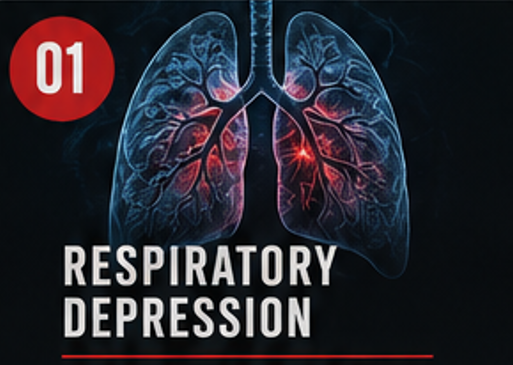
One of the most dangerous effects of heroin is respiratory depression, which means slowed or stopped breathing.
Heroin suppresses the central nervous system, causing breathing to become dangerously slow. In high doses, this can lead to:
- Oxygen deprivation
- Coma
- Permanent brain damage
- Death
Respiratory failure is one of the leading causes of heroin overdose fatalities. Mixing heroin with alcohol or other sedatives dramatically increases this risk.
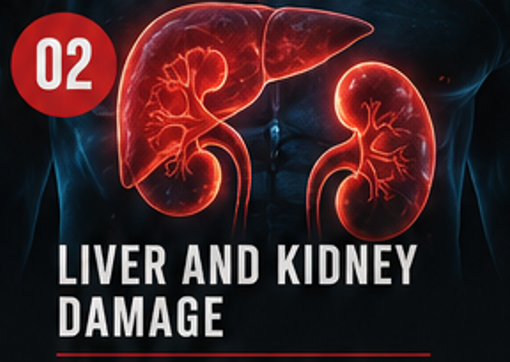
Long-term heroin use can severely damage the liver and kidneys.
These organs work hard to filter toxins from the body, but chronic drug use can overwhelm them over time. Users may experience:
- Liver inflammation
- Kidney failure
- Reduced organ function
- Increased risk of hepatitis infections
Contaminants and additives mixed into street heroin can make organ damage even worse.
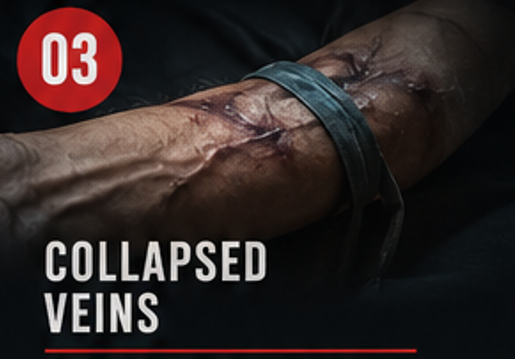
Collapsed veins are common among individuals who inject heroin.
Repeated injections damage blood vessels and surrounding tissue, leading to:
- Vein scarring
- Poor blood circulation
- Chronic swelling
- Painful skin infections
In severe cases, users may develop abscesses and tissue death that require medical treatment or surgery.
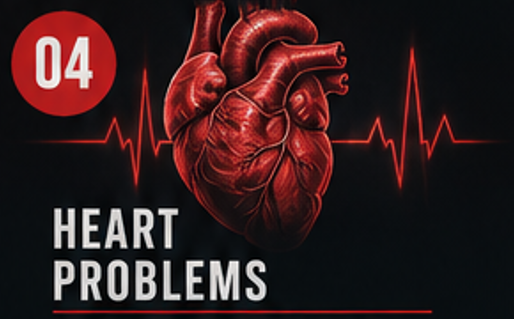
Heroin use can cause serious cardiovascular complications.
One major risk is infective endocarditis, an infection of the heart lining and valves caused by bacteria entering the bloodstream through contaminated needles.
Other heart-related issues include:
- Irregular heartbeat
- Blood vessel infections
- Increased risk of stroke
- Reduced oxygen delivery throughout the body
Without treatment, these conditions can become fatal.
Sharing or reusing needles significantly increases the risk of dangerous infections.
People who inject heroin are at higher risk for:
- HIV/AIDS
- Hepatitis B and C
- Skin infections
- Bacterial infections
Unsafe injection practices can spread life-threatening diseases quickly, especially in communities lacking access to healthcare and clean needles.
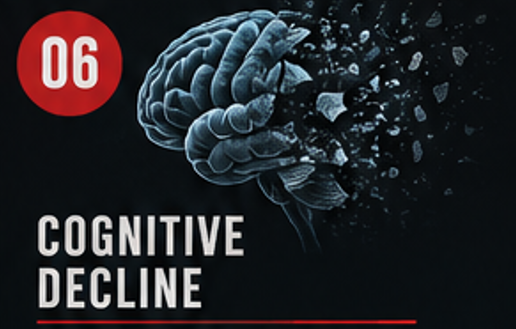
Long-term heroin use can negatively affect brain function and mental health.
Chronic use may lead to:
- Memory loss
- Difficulty concentrating
- Poor decision-making
- Emotional instability
- Depression and anxiety
Research shows that opioid addiction can alter brain structure and impair cognitive abilities, making recovery more challenging without professional support.
The Risk of Addiction
Heroin is highly addictive. Even occasional use can quickly develop into dependency.
Signs of heroin addiction may include:
- Strong cravings
- Withdrawal symptoms
- Neglecting responsibilities
- Financial or legal problems
- Isolation from family and friends
Withdrawal symptoms can be extremely painful and often require medical supervision.
Prevention and Awareness
Education plays a major role in preventing heroin abuse. Parents, schools, healthcare providers, and communities must work together to:
- Raise awareness about opioid dangers
- Encourage healthy coping mechanisms
- Improve access to mental health services
- Support addiction recovery programs
Early intervention can save lives.
Treatment and Recovery Options
Recovery from heroin addiction is possible with proper treatment and support.
Common treatment methods include:
Medication-Assisted Treatment (MAT)
Medications like methadone, buprenorphine, and naltrexone can help reduce cravings and withdrawal symptoms.
Behavioral Therapy
Counseling and therapy help individuals understand addiction triggers and develop healthier coping strategies.
Rehabilitation Programs
Inpatient and outpatient rehab programs provide structured recovery support.
Support Groups
Community support groups can help individuals maintain long-term sobriety.
Final Thoughts
The harmful effects of heroin drugs go far beyond addiction. From respiratory failure and organ damage to infections and cognitive decline, heroin use can destroy both physical and mental health.
Understanding these dangers is an important step toward prevention and recovery. If you or someone you know is struggling with heroin addiction, seeking professional help immediately can make a life-saving difference.